
The Smart-Card Way: Why your next crypto backup should feel like a credit card — not a paper napkin
Whoa! I mean, seriously? People still scribble seed phrases on paper and tuck them under a mattress. That used to feel clever. But now it just feels risky, like leaving a car unlocked in Brooklyn. My instinct said something felt off about relying on memory or scribbles, and then I started testing smart-card options for real — not just reading specs but actually using them on the subway, at coffee shops, and on flights. Initially I thought hardware wallets alone would be enough, but then I realized the user experience matters just as much as the cryptography; if something’s clumsy, people invent insecure shortcuts. So here’s a practical take on mobile apps, backup cards, and protecting private keys — told by someone who messed up once and learned fast.
Short version: smart cards turn backups into something you carry, use, and don’t dread. Hmm… that sounds weird, but it really changes behavior. Long setup screens and clunky recovery flows teach people to cut corners. On the other hand, a small card you tap with your phone makes secure behavior normal, not exceptional, and that alone reduces a lot of risk. I’m biased, obviously, but after testing a few systems I prefer solutions that treat backups like a product — physical, durable, and easy to use.
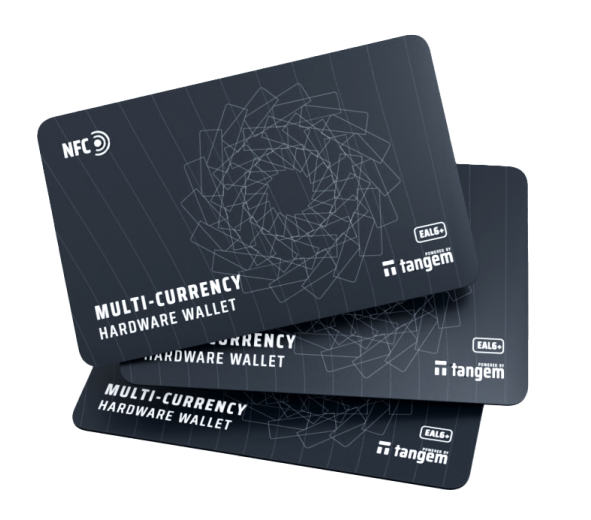
How mobile apps and backup cards actually work together
Okay, so check this out—most modern smart-card solutions pair a compact, tamper-proof card with a mobile app that orchestrates keys. Wow! The card holds the private key material in a secure element. The app provides the user experience: account naming, transaction previews, firmware updates, and optional cloud-less backups. On paper this duet sounds simple, though actually syncing them reliably across devices without exposing secrets requires careful protocol design and good UX decisions. In practice, the app acts like a trusted conductor while the card plays the secret notes — and you never have to type a 24-word phrase in public again.
Something I learned the hard way: convenience beats perfection when humans are involved. Initially I thought “store seeds offline, job done.” Actually, wait—let me rephrase that, because it glosses over a harsh truth: if the backup method is annoying, people will choose the convenient insecure option instead. On one hand, seed phrases are simple and auditable; though actually they are fragile once you add human factors like handwriting legibility, moisture, and curiosity from roommates. On the other hand, backup cards are tangible and intuitive, but they require manufacturing trust and durability guarantees. Working through both trade-offs is where the real thinking happens.
Mobile apps need to do three things well: make setup frictionless, guide recovery clearly, and avoid leaking metadata. Seriously? Yes. The best apps use the phone’s secure enclave for transient operations, never exporting raw private keys, and they have clear prompts that reduce catastrophic errors. A good flow looks like this: pair card, attest card authenticity, derive keys, optionally create additional encrypted backups to recovery cards. When recovery cards exist, they should be designed to be lost without giving up funds — that’s the whole point of multi-factor recovery.
Here’s what bugs me about many wallet designs: they treat security like a checkbox and not a human behavior problem. People are busy. They want simple instructions. And if the app feels like it expects a cryptographer, they’ll improvise. So I keep pushing for products that assume users will make mistakes and design to survive those mistakes. Somethin’ as basic as a single tactile card that inserts into a wallet feels reassuring. It’s psychological, yes, but practical too.
One practical architecture that performed well for me combines three components: a smart card for primary key custody, a mobile app for UX and transaction signing, and one or more backup cards encoded with threshold shares or encrypted key fragments. Whoa! That sounds fancy, and it is — but you don’t need to be an engineer to use it day to day. The mobile app handles the math in the background. What the user sees is: tap card, confirm transaction, done. The heavy-lifting happens invisibly, though it’s verifiable in logs if you want to audit.
Now, about private key protection specifically. Initially I thought hardware isolation alone would suffice. But then I noticed attack patterns that target people, not chips. Social engineering, camera footage of seed recovery, even stolen trash. So the best protection is layered: secure element to prevent extraction, strong PIN or biometric gating, tamper-evidence to deter physical attackers, plus a redundancy model that tolerates losing a card or two. On the software side, limiting exposure windows — so keys are unlocked only when actively signing — reduces risk from compromised phones.
Let’s be concrete. Imagine you have a $10k position. You could write down 24 words, stash them in a safe, and breathe easy. Or you could carry two backup cards in separate locations, with a third stored in a bank deposit box. Which feels better? For most people, the latter feels more usable. It also reduces single points of failure. The cards themselves should be rated for temperature and water exposure, and the app should warn you if firmware is outdated — because outdated firmware can be somethin’ of a liability. I’m not 100% sure all vendors keep that front-of-mind, but the good ones do.
One more practical note: migration and interoperability. If the vendor goes away, how do you recover? This is the biggest concern for long-term holders. In my tests, approaches that use open standards and allow exporting cryptographic proofs (not raw keys) for migration fared much better. Other systems lock you into closed hardware ecosystems that make me uneasy. So check for standards support and export options before you commit.
Check this out — if you’d like to see a real-world example of a hardware wallet card and how it’s presented for purchase and support, there’s a solid resource right here that walks through device features and practical considerations. I’ll be honest: I don’t endorse every vendor, but I do like solutions that are clear about what they protect and what they don’t.
Practical tips for adopting smart cards today. Short list. First, test recovery with a non-critical account. Seriously. Second, split backups geographically — don’t keep everything in one drawer. Third, use a PIN and biometrics where available; layering is good. Fourth, keep firmware updated but verify signing keys before applying updates. Fifth, treat the backup card like a passport: keep it dry and don’t take photos. These steps sound obvious. But people skip them. Very very common, unfortunately.
Here’s the trade-off I still wrestle with: usability vs absolute control. On one hand, fully air-gapped setups are theoretically ideal; though on the other hand, they are painful for everyday use and therefore often bypassed. The sweet spot for most users sits in smart cards paired with a well-designed mobile app — secure enough for high-value assets, usable enough to be used correctly. That’s not a perfect answer, but it’s a practical one that respects human nature.
Common questions about smart-card backups
Can a smart card be cloned or tampered with?
Short answer: extremely unlikely if it’s built with a secure element and proper attestation. Long answer: chips are designed to resist physical extraction, and attestation protocols let the app verify authenticity before trusting a card, though supply-chain risks and counterfeit devices are real issues. Always buy from reputable channels and verify device signatures during setup.
What if I lose my backup card?
Lose one card and you should still be safe if you followed a multi-card or threshold scheme. If you relied on a single card with no second-factor, that’s riskier. So practice recovery flows in a safe environment and store at least one backup in a different physical location. Also — don’t take pictures of your backups. It seems obvious, but people do it, and that’s a huge vector for theft.
